Science-based • Age-appropriate • Student-centered

EducaHealth provides high-quality, comprehensive health education that empowers young people to make informed, healthy decisions. We believe that skill-based health education is a powerful tool for preventing high-risk behaviors during adolescence and throughout life.
About us
At EducaHealth, we believe every young person deserves science-based, honest, and age-appropriate information about their bodies and their health. Our mission is to empower students with the knowledge and skills they need to make safe, informed, and responsible choices.
Grounded in current best pedagogical practices, we deliver engaging, interactive programs in comprehensive health and wellness education, puberty and growth education, sexual health, and substance use prevention. Each program is developed in close collaboration with our partner schools to ensure it reflects the unique needs, values, and culture of each school community.
Our programs
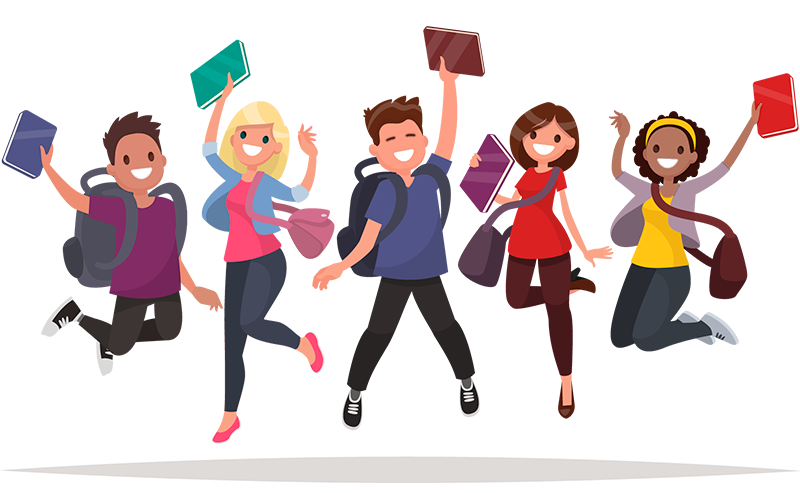
All of our programs are evidence-informed, multidisciplinary, and science-based.
MEDICALLY-ACCURATE • DEVELOPMENTALLY-APPROPRIATE • EVIDENCE-INFORMED
Health & Wellness Education
Each of our programs is thoughtfully designed by our team in close collaboration with our partner schools and is continuously reviewed and refined. We offer a wide variety of classes that take a holistic approach to health and wellness, addressing topics such as the science of puberty and adolescent development, reproductive anatomy, sexual health, physical and mental well-being, building and maintaining healthy relationships, and media literacy and healthy screen use.
Our programs are developmentally appropriate for students in grades 3–12, and all lessons are aligned with the most recent National Health Education Standards.
A vital component of our programming is family engagement and at-home connection. Prior to the start of lessons, families receive materials to review and are invited to attend a parent or caregiver meeting where they can meet their student’s educators, learn about the program, experience sample activities, and ask questions. We also share practical tips and curated resources to help caregivers continue conversations and support their young people at home. For students in sixth grade and below, we incorporate homework assignments consisting of guided conversation prompts related to the topic of the day, designed to help students build confidence discussing health topics with their trusted adults.
Sample Programs
Grade 5
- Healthy Friendships
- Consent, Boundaries, & Communication
- Changes During Puberty II
- Female Reproductive Biology & The Menstrual Cycle
- Male Reproductive Biology & Sperm Production
Grade 7
- Media Literacy: Our Digital Footprint
- The Pillars of Health
- The Science of Puberty
- Fertilization, Twins, & Sex Assignment
- The Stages of Pregnancy & Childbirth
Grade 10
- Healthy vs. Unhealthy Relationships
- Consent, Sexting, & The Law
- High Risk/Low Risk Behaviors for STIs
- Abstinence & Other Protection Methods
- Pornography Literacy
Contact us to learn more about our course offerings or to request a sample scope and sequence, and let us build a personalized curriculum that meets the unique needs of your students and school community.
The Body Project
An Evidence-Based Program to Improve Body Image
In addition to our in-school programming, EducaHealth is proud to offer The Body Project, an evidence-based program designed to help female-identifying high school students challenge unrealistic beauty ideals and develop a healthier relationship with their bodies.
Led by trained educators, small groups of 5–10 students participate in four one-hour sessions (or six 45-minute sessions), offered either in person or virtually via Zoom. Research has shown that this program increases body satisfaction, reduces the risk of eating disorders, and improves both social and school functioning.
EducaHealth offers Body Project groups twice a year. Sessions typically meet once or twice per week in the evenings or on weekends, depending on interest and group availability.
Parents and guardians interested in learning more can visit the National Eating Disorders Association’s The Body Project page or contact us at info@educahealth.org.
Comprehensive • Multidisciplinary • Factual
Substance Use Prevention Program (SUPP)
Grounded in the most current research, our customizable curriculum for grades 8–12 is designed to help students develop the knowledge and skills needed to make safe and informed choices. The program follows research-based prevention and drug education principles and emphasizes practical decision-making skills. Each lesson engages students through interactive activities such as group discussions, case scenarios, and fact-or-fiction games that encourage critical thinking and active participation. The curriculum is aligned with the National Health Education Standards.
It includes the following topics:
Understanding Substance Use
Myths, Facts, and Influences
Students will define ‘psychoactive drugs’ and examine their personal beliefs about alcohol, nicotine, and other substances. They will analyze how cultural influences, peer pressure, and personal values shape attitudes and behaviors toward drug use while also debunking common myths about drugs.

The Brain and Substance Use
Part I: How Drugs Affect Brain Function
Students will explore the structure and function of the brain, focusing on how neurons communicate through neurotransmitters. They will learn how different psychoactive substances disrupt brain chemistry, particularly in the developing teenage brain, and understand key concepts such as dependence, tolerance, and withdrawal.
The Brain and Substance Use
Part II: Risk Factors and Protective Strategies
Students will examine genetic predispositions, social dynamics, and environmental influences that contribute to the risk of substance use and addiction. They will explore protective factors such as strong family bonds, positive peer relationships, and personal resilience that can reduce the likelihood of substance misuse. Additionally, they will discuss harm reduction strategies, and learn how to access reliable resources for support and prevention.

Healthy Coping Strategies
Managing Stress Without Substances
Students will analyze the relationship between mental health challenges and substance use. They will explore evidence-based coping strategies for managing anxiety, depression, and stress, including mindfulness, physical activity, adequate sleep, proper nutrition, and social support.

Alcohol & Other Depressants
Students are introduced to the classification of drugs according to their effects on the brain. Depressant drugs are presented first with a main focus on alcohol. Students learn harm reduction strategies such as how to perform the recovery position on an intoxicated person.

Cocaine, Amphetamines, & Other Stimulants
Students learn about the effects of stimulant drugs including caffeine. They discuss the impact of cocaine, methamphetamines, and prescription stimulants on the brain and body.

Nicotine, Vaping, & E-Cigarettes
Students explore the health effects of nicotine in the brain and body. Students analyze how advertising agencies have contributed to the rise in popularity of vaping and e-cigarettes among teens.

Cannabis
Students learn the potential risks and benefits of cannabis products (marijuana, hashish, etc.) including edibles. Students discuss the impacts of legalization for medical use vs. for recreational purposes.
Psychedelics, MDMA & Other Club Drugs
Students learn the effects and types of psychedelics, Ecstasy and other «club drugs». They reflect on drug references in the media and music, and how they may influence teens. Finally, they discuss the risks of illicit drug adulteration.
Opioids & Prescription Pain Medications
Students learn the effects of heroin, fentanyl, and other opioids. They discuss the impact that the widespread prescription of pain medications has had on the current opioid epidemic that our nation is facing. They analyze the role that big pharmaceutical companies have played in contributing to this crisis.
Comprehensive health education
Meet our team

About
EducaHealth’s Director & Founder
Nia Torres, M.Ed., SHCP is an Ecuadorian-American health educator and the founder of EducaHealth. She holds a BA in Psychology from the Universidad San Francisco de Quito and a Master’s in Education from Boston University. She also completed post-graduate training as a Sexual Health Educator at the University of Michigan School of Social Work.
Since 2010, Nia has partnered with more than 30 independent and public schools across the Greater Boston area to design and deliver comprehensive, developmentally aligned health education programs. Her work focuses on translating current research into engaging, age-appropriate lessons that help young people build the knowledge, confidence, and skills they need to make informed and healthy decisions.
-Estefanía Torres
About
Educator
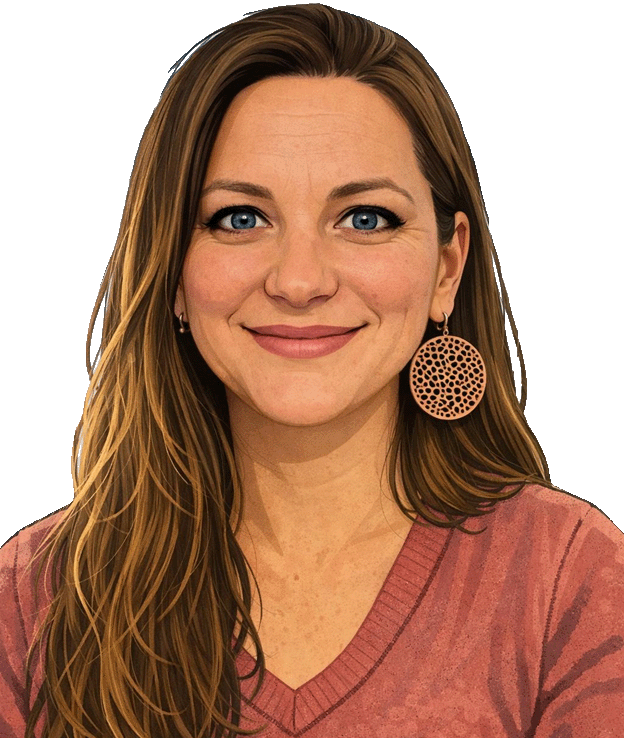
Jackie Barnhart, M.S., M.A joins EducaHealth with more than 10 years of teaching experience in public and independent schools. Certified in elementary education and secondary science, she has taught everything from Kindergarten to AP Biology. Her strong background in biology and interest in human growth and development drew her to EducaHealth’s mission. Jackie brings deep expertise in elementary and middle grades pedagogy and loves helping younger students begin age-appropriate, empowering conversations about puberty and sexual health.
-Jackie Barnhart
About
Educator
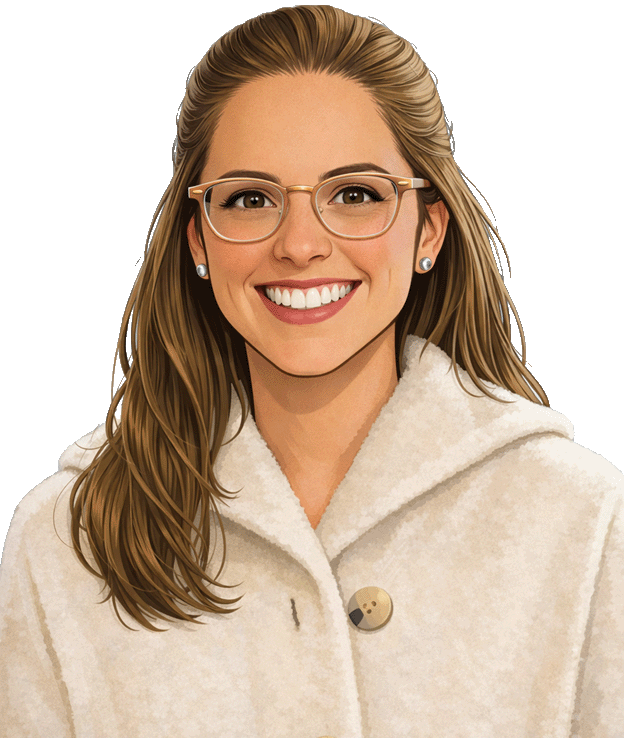
Lisa Hoopis, Ed.D is a health educator with broad experience in teaching, advocacy, and youth development. She holds degrees in psychology and youth development, a Certificate in Sexuality Education from Rutgers, and has her doctorate in Higher Education Leadership from Johnson & Wales. Lisa teaches at Rhode Island College, developed a victim advocacy certificate program, and now serves as a Student Success Coach for foster youth. She co-founded the Rhode Island HIV/STI Prevention Coalition and contributes to statewide initiatives supporting survivors of violence.
-Lisa Hoopis
Testimonials
What Clients are Saying
For support in developing your school district’s sex education program, or for more information on sex education curricula and training, see our sister organization PartnersInSexEducation.org







Work with us
Are you a trained and/or certified health educator? Do you have a passion for working with students? We are searching for a per diem educator to join our team of experienced sexual health and substance abuse prevention educators. Submit your resume and cover letter to our director Estefanía Torres at: etorres@educahealth.org
Get In Touch
Mailing Address: 711 E. 4th Street – Boston, MA 02127